
The distinction is operational, not just vocabulary
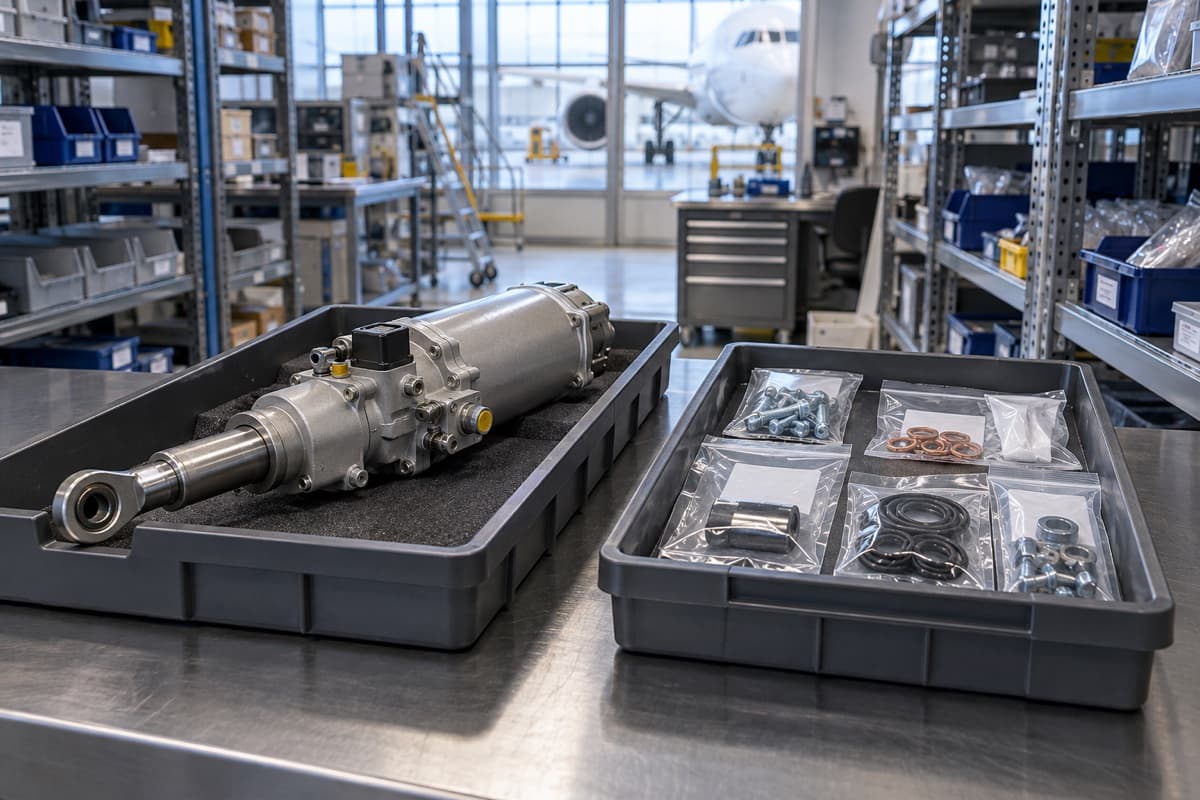
A rotable is generally a component that can be removed, repaired or overhauled, and returned to use. An expendable is normally consumed in use or replaced rather than cycled through a repair-and-return process. IATA material describes rotables as items tracked at a serialized level that are economically repairable and periodically restored to serviceable condition. In actual purchasing, your operator’s inventory and maintenance rules determine how each stock item is classified and controlled.
A rotable quote often involves a specific serial-numbered unit and a serviceable status. It may also involve an exchange: you receive a unit and return a removed core under agreed conditions. An expendable order more often focuses on the correct part number, quantity, batch or lot information when applicable, shelf life, packaging, and delivery. Neither category is exempt from item-specific eligibility and quality checks.
Compare the full rotable transaction
For rotables, compare more than the purchase price. Ask whether the offer is outright sale, exchange, loan, or repair. An exchange can carry a core-return deadline, return condition rules, deposit, and later charges if the returned unit fails the agreement’s criteria. Request those terms in writing and make sure the operations team can deliver the removed core. Confirm the offered component’s serial number, release documentation, configuration, and applicable time or cycle data before accepting a fast quote.
If the unit is being sent for repair rather than replacement, establish the scope, authorization process for findings, expected documentation, and return destination. Lead time should describe the actual path being quoted. A unit already released and ready to ship is different from one awaiting inspection or maintenance.
- Transaction type and quoted condition of the supplied unit
- Core-return deadline, deposit, and acceptance criteria, if exchange applies
- Serial number, release record, configuration, and relevant life data
- Physical location and realistic shipping path
Do not overlook controls on smaller items
Expendables may be lower in unit value, but a part-number or documentation error can still stop a maintenance task. State the exact specification and quantity. For seals, adhesives, chemicals, and other shelf-life-controlled materials, ask for the lot, manufacturing or cure date, expiry, and storage conditions where applicable. FAA guidance calls out shelf-life data as relevant information for assessing parts and materials.
Set RFQ templates around the decision you need to make. For rotables, emphasize unit identity, condition, records, and exchange terms. For expendables, emphasize specification, batch control, shelf life, and pack size. In both cases, the receiving team should compare what arrived against the approved order and refer exceptions to the authorized quality and maintenance functions.
Source material
These references provide general context. Confirm item-specific requirements with the applicable records and qualified teams.